Ever walked into a beautifully styled room and wondered how everything just works together? That cohesion rarely happens by accident. Behind most well-designed spaces is a mood board, a visual planning tool that helps you define your style and make confident decor decisions before spending a single peso.
For Filipino homeowners, mood boards are especially valuable. Our homes range from compact condo units to multigenerational family houses and our style influences span from global trends to distinctly local aesthetics. A mood board helps you navigate these options with clarity, avoid impulse purchases you will regret and create rooms that feel intentional from day one.
Step 1: Identify What You Actually Love (Not What You Think You Should Love)
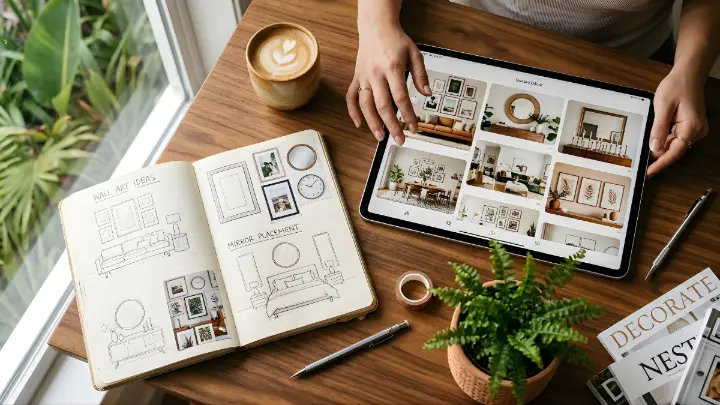
Before opening any shopping app or visiting a furniture store, take time to collect inspiration. Scroll through Pinterest, Instagram or home decor websites and save images that genuinely catches your eye – not what looks impressive, but what makes you feel something.
After gathering 15 to 20 images, step back and look for patterns. Do you keep gravitating toward warm wood tones and natural textures? Clean, minimalist lines with lots of white space? Bold geometric shapes and metallic accents? Earthy greens and rattan? These patterns are your personal style DNA, they reveal what you are naturally drawn to, regardless of what is trending on social media.
Step 2: Choose a Style Direction
Based on your inspiration patterns, narrow your direction to one or two general styles. Common directions that work well in Philippine homes include modern minimalist and a less-is-more approach that suits compact condos beautifully. Tropical contemporary blends natural textures, greenery and warm earth tones with sleek modern design – arguably the most naturally Filipino style direction. Classic elegant features rich fabrics, ornate frames and refined details, perfect for family homes that want a polished, timeless feel. Eclectic is a curated mix of eras, textures and colors that works best when anchored by one or two unifying elements.
You do not have to commit to just one. Many of the most interesting Filipino homes blend. The key is having a clear direction so your purchases feel cohesive rather than random.
Step 3: Build Your Mood Board
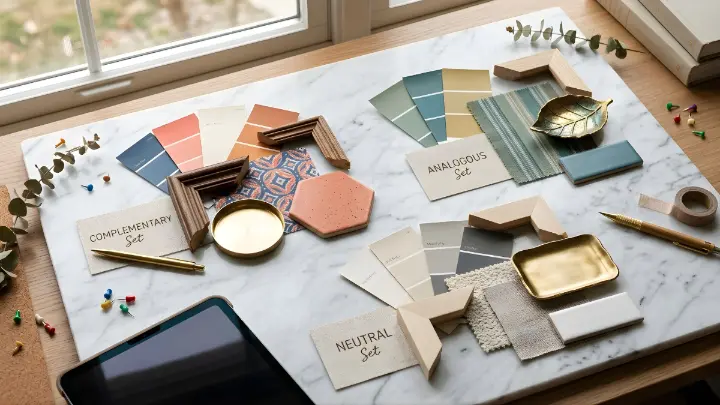
A mood board is simply a collage of your chosen colors, textures, furniture shapes and decor pieces arranged together so you can see how they relate. You can use free digital tools like Canva or Pinterest Boards, or go traditional with magazine clippings on a corkboard.
Include the following elements: your color palette, two or three texture samples, key furniture silhouettes or photos and specific decor items you are considering such as wall art, mirrors, frames, clocks or table decor. The goal is to see everything in one place before committing to any purchase. If two items look wrong next to each other on the board, they will look wrong in your room.
Step 4: Edit Ruthlessly
This is where most people struggle, removing things from a board is harder than adding them. But a mood board should feel focused, not chaotic. If something does not fit the overall feeling, remove it. No exceptions.
A good editing test: look at each item on your board and ask, "does this piece belong in the same room as everything else here?" If the answer is no, save it for a different project or a different room. A tight, focused mood board of ten items will guide you better than a scattered board of forty.
Step 5: Shop with Confidence (and Stop Impulse Buying)
With a finished mood board in hand, shopping becomes easier and faster. You already know your colors, your style and the types of pieces you need. No more wandering through home stores buying things that "look nice" but do not fit your room. No more impulse purchases that end up in a closet three months later.
Bring your mood board – on your phone or printed out – when you shop. Compare potential purchases against it. If a piece matches the board, it will likely work in your room. If it does not, walk away no matter how attractive it looks in isolation. Discipline at the shopping stage is what separates cohesive, professionally styled rooms from rooms that feel randomly assembled.
The Payoff: A Home That Looks Designed, Not Decorated
The difference between a home that feels styled and one that feels decorated is planning. Styled rooms have a clear intention, every piece supports the overall vision. Decorated rooms are often collections of individual purchases that looked good on their own but do not work together.
Your mood board is the bridge between the two. It turns vague ideas into a concrete plan and turns shopping trips into targeted missions. Whether you are starting from scratch in a new condo or refreshing a family home you have lived in for years, this process works.
Start building your dream room today – explore our curated collection and find pieces that match your mood board perfectly.
People Also Ask
A mood board is a visual collage of colors, textures, furniture and decor pieces that helps you plan a room's design before making purchases. It prevents impulse buying, ensures cohesion and gives you confidence that your choices will work together.
Canva (free) and Pinterest boards are the most beginner-friendly options. Canva lets you arrange images and color swatches in a collage format, while Pinterest lets you collect inspiration and organize it by room or style.
Keep it focused, 8 to 12 items is ideal. Include your color palette, 2-3 texture samples, key furniture shapes, and the specific decor pieces you are considering. Too many items create confusion rather than clarity.
Tropical contemporary is arguably the most naturally Filipino style. Modern minimalist works well in compact condos. Classic elegant suits larger family homes. Many beautiful Filipino interiors blend two styles for a personalized look.