The most established locally-made home decor brands in the Philippines in 2026 include Quadro Décor, Philux, Locsin International, Triboa Bay Living, Craftsmith Living, La Rosa Home, Balikbayan Handicrafts, Tesoro's, Bahia, Interior Crafts of the Islands, and Kultura Filipino, alongside heritage retailers like Silahis Center. These brands range from heritage furniture makers operating since the 1940s to newer slow-living and handmade studios, with price points spanning ₱500 for small artisan pieces to ₱50,000+ for signature furniture. Locally-made decor tends to hold up better in tropical humidity than imported MDF and pressed-wood, and supports Filipino artisan communities across regions like Pampanga, Cebu, Bulacan, and the Southern Tagalog provinces.
Heritage Filipino Home Decor Brands
These have been operating for decades and helped shape the local design industry.
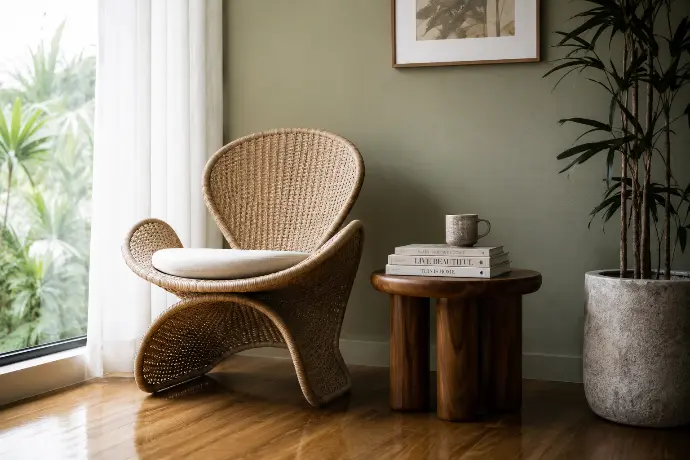
Tesoro's — Founded in 1945, one of the oldest Filipino retail names. Sells embroidery, local apparel, tableware, shell craft, and antiques. Known for elevating indigenous materials to gallery-grade craftsmanship.
Locsin International — Established 1979. Best known for organically-shaped woven resort furniture seen in luxury hotels and designer homes across Southeast Asia. Showroom at LRI Design Plaza, 210 N. Garcia Street, Makati City.
Philux — Founded 1980. Filipino-made furniture in mahogany, acacia, and walnut, with hardware imported from Germany. Branches at Shangri-La at The Fort (BGC) and Mega Fashion Hall (SM Megamall).
Silahis Center — Heritage shop in Intramuros, Manila, carrying handicrafts and home accents from across all Philippine regions. A go-to for travelers and locals sourcing regional pieces.
Wall art, Frames, and Decor Specialists
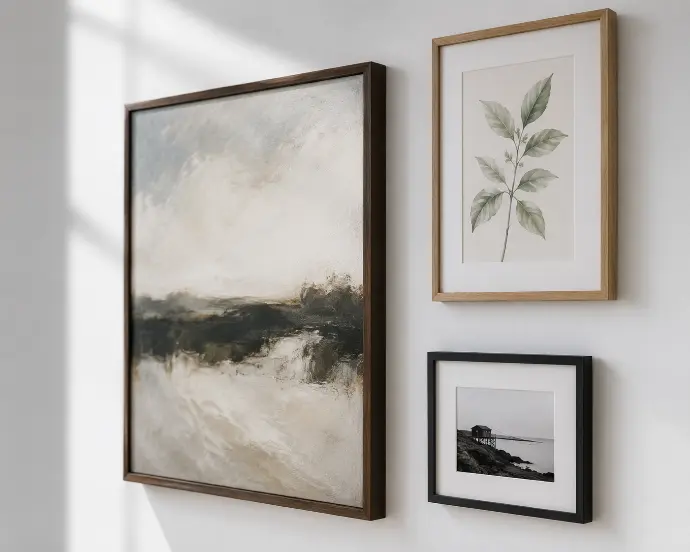
Quadro Décor — Manila-based, operating since 2003. Specializes in wall art, mirrors, 3D wall art, table decor, clocks, and its flagship Quadro frames line, with artisan partnerships in Batangas, Laguna, and Cavite. Available online with delivery across Metro Manila.
Bahia — A modern capiz craft brand creating contemporary takes on traditional mother-of-pearl decor — handmade bowls, decorative pieces, and tabletop accents in updated colorways like sage green and soft pastels.
Slow-living and Handmade Studios
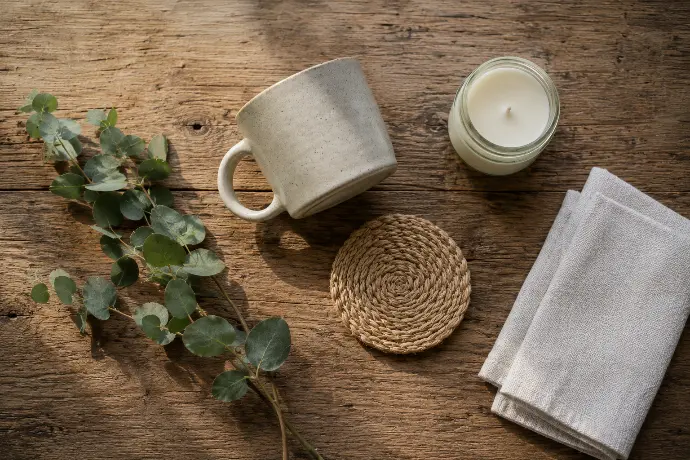
Craftsmith Living — Filipino slow-living brand specializing in handmade ceramics, woven baskets, and natural-material decor. Available at select Rustan's branches and online.
La Rosa Home (@larosahome_) — A small-batch home decor brand using sustainable and locally-grown materials from different provinces, handcrafted by partner craftsmen across the Philippines.
Filipino Furniture-Decor Brands
Triboa Bay Living — Pampanga-based, known for sculptural modern-tropical pieces with refined wood finishes. Showrooms at 4/F Mega Fashion Hall (SM Megamall) and G/F LRI Design Plaza in Makati.
Interior Crafts of the Islands, Inc. — Cebu-based, employs over 300 skilled artisans creating handcrafted indoor and outdoor furniture. Notable for storytelling-driven design that has gained international export traction.
Heritage Handicrafts and Indigenous Materials
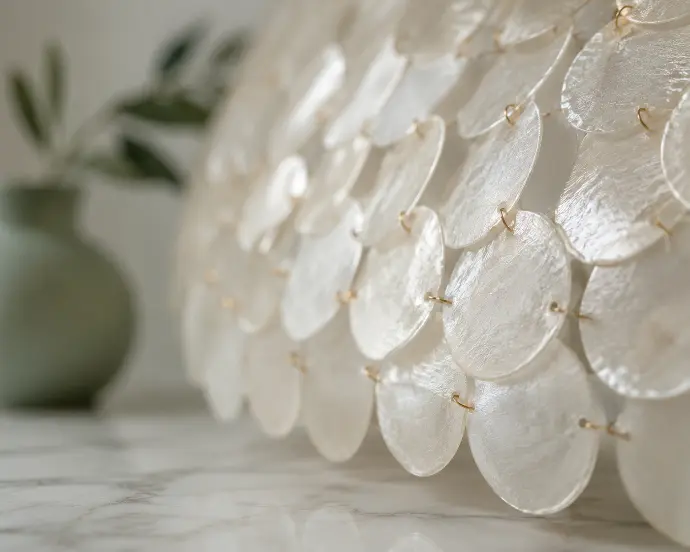
Balikbayan Handicrafts — Capiz wall art, woven wall hangings, and indigenous-material decor. Branches in Makati and online.
Kultura Filipino — Not a single brand but a curated multi-brand retailer carrying over 100 Filipino brands under one roof. Includes hand-painted trays, mother-of-pearl items sourced from Cebu, handwoven abaca rugs, banig-framed picture frames, and acacia dinnerware. Branches across SM department stores and online.
Newer Filipino Home Brands Worth Knowing
Harmony & Homes — A Manila-based home decor brand offering accessible decor for Filipino condos and family homes, alongside seasonal decoration services.
AC+632 by Firma — Filipino design brand with curated home accents and decor pieces.
Echostore — Sustainable Filipino-made products including home items, available across SM branches.
Why locally-made decor matters in Filipino homes
A few practical reasons beyond supporting local industry:
- Materials suited to climate. Solid hardwoods like mahogany, acacia, and narra and natural fibers like abaca, capiz, and rattan handle Philippine humidity far better than imported MDF, pressed wood, or particle board.
- Repair and customization access. Local artisans can refinish, re-stretch, or repair pieces; imported furniture often becomes throwaway when damaged.
- Cultural relevance. Capiz, banig, weaving traditions, and indigenous textile motifs carry stories that mass-imported decor doesn't. According to coverage in Real Living Philippines and Tatler Asia, the renewed interest in capiz and indigenous weaving among Filipino homeowners under 40 has driven significant growth for brands like Bahia and Habi.
- Price-quality value at mid-range. Locally-made mid-range decor often beats imported equivalents on materials and craftsmanship at the ₱2,000–₱8,000 band, where mass-imported pieces tend to use cheaper substrates.
People Also Ask
Quadro Décor, Kultura Filipino, Balikbayan Handicrafts, La Rosa Home, Craftsmith Living, and Bahia all sell locally-made decor online with delivery across Metro Manila. For in-person browsing, Silahis Center in Intramuros and the showrooms at LRI Design Plaza in Makati are reliable stops.
Bahia, Balikbayan Handicrafts, and Kultura Filipino all carry contemporary capiz pieces. Tatler Asia rounded up seven Filipino capiz brands in late 2024 — worth a search for the full list.
At the entry level, imported mass-market decor is often cheaper. At the mid-range (₱2,000–₱8,000), locally-made pieces typically offer better materials and craftsmanship for the price. At the higher end, locally-made furniture from brands like Philux, Locsin International, and Triboa Bay Living competes with international design names at lower price points.
Quadro Décor specializes in wall art, mirrors, and custom framing. Kultura Filipino carries banig-framed picture frames and mother-of-pearl photo frames. For original Filipino artwork, galleries like Modeka Art and Nami Art Gallery represent local artists.
The most common include capiz (mother of pearl), abaca, rattan, narra, mahogany, acacia, banig (woven palm leaf), and indigenous textiles like Ifugao weave and T'boli t'nalak. Each material is tied to specific regional craft traditions.
Yes — La Rosa Home, Echostore, Craftsmith Living, and Kultura Filipino all source from local communities with sustainability or fair-trade practices. Kultura also runs partnerships with foundations like Kababaihan ng Maynila that support women's livelihood in underserved communities.